
An early-autumn container reset
Make room for a cool-season planting without losing track of what worked in summer.
Field scope: Full Sun / large pot / drainage required / autumn. Match plant labels and local conditions before planting.
The first cool evenings are a good moment to review a summer container. That does not mean every plant must come out at once. Keep healthy perennials where appropriate, and replace only the short-lived seasonal pieces that are finished.
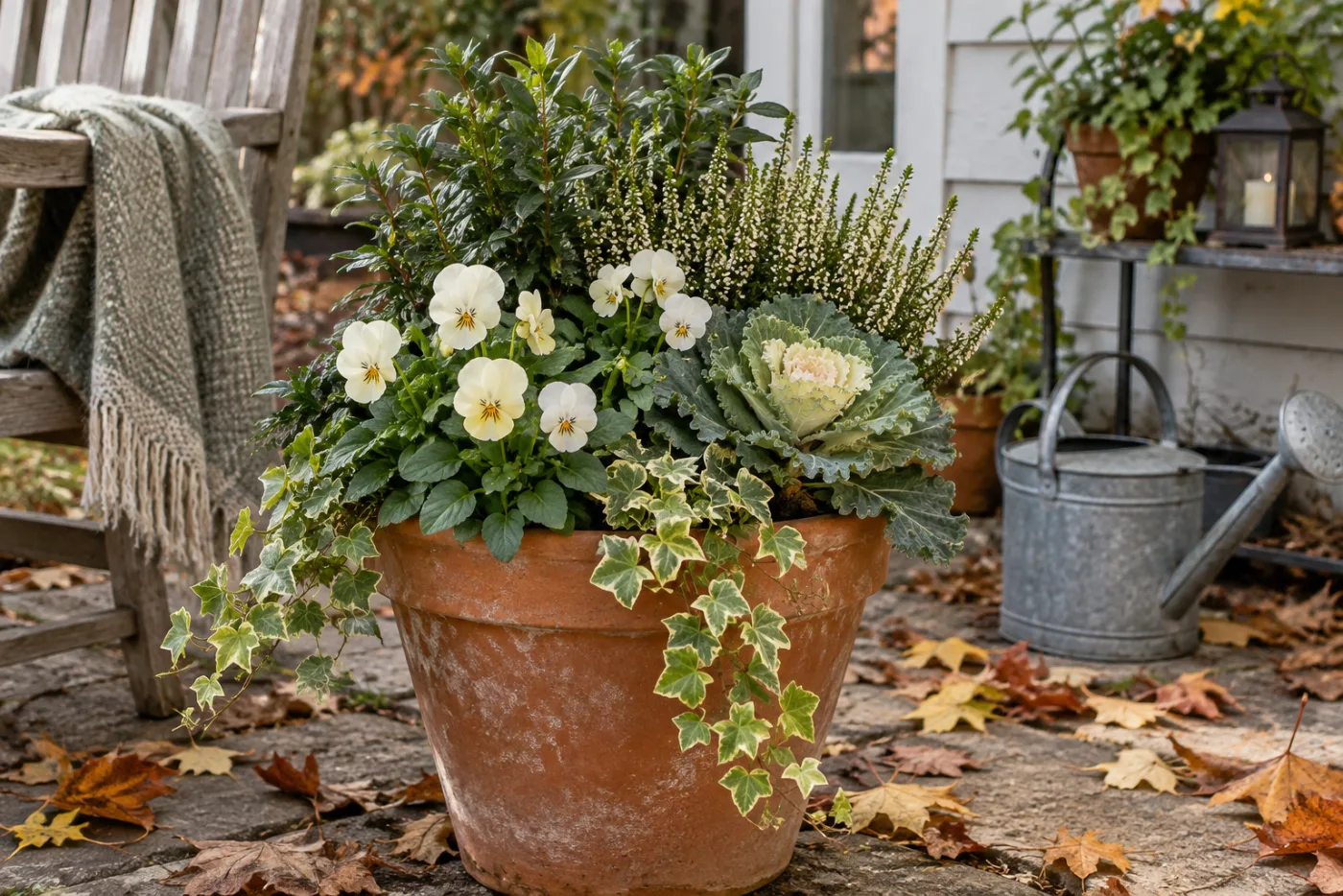
Read the old planting
Photograph the pot before changing it. Note which plants held their shape, which crowded neighbors and whether the mix dried too quickly. Check local frost timing and nursery labels before selecting cool-season replacements.
Edit with care
Remove finished annuals and their roots gently. If the remaining plants are root-bound or the mix has collapsed, a fuller repot may be needed. Do not bury the crown of a plant beneath new material.
Build a cooler palette
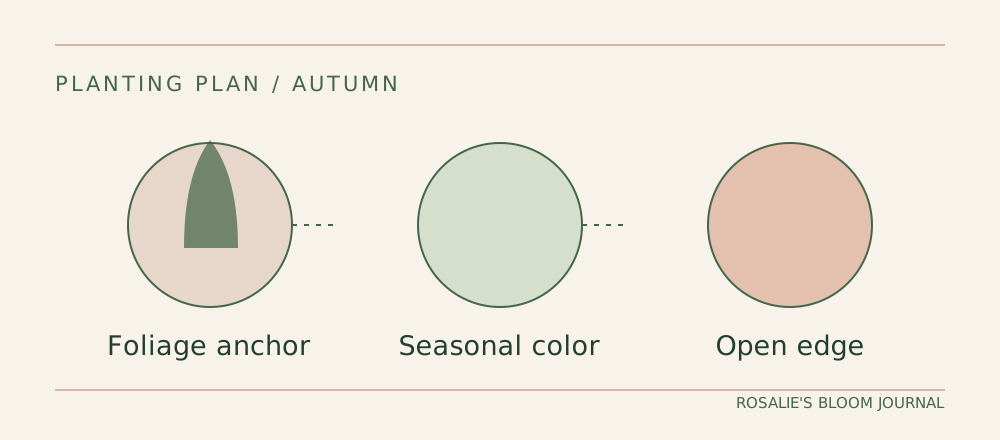
An evergreen or persistent foliage form can anchor the pot while a modest number of seasonal flowers supplies color. Choose companions with matching light and watering needs. Leave room for air movement as nights become damp.
Set a new rhythm
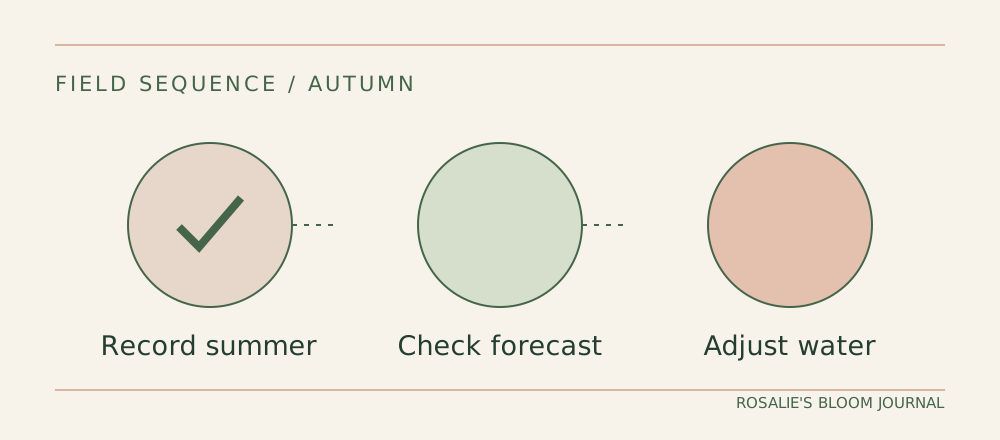
Cooler weather can slow drying, so retire the summer watering habit and check the mix before each watering. Empty saucers and move vulnerable containers before forecast frost according to plant and pot guidance.
Time the change to your weather
An autumn display planned from a calendar photo may not match a warm local September. Look at the near-term forecast and the cold tolerance of the plants you intend to use. Keep summer flowers that remain healthy until there is a reason to replace them. If nights turn cool quickly, have a protected position ready for plants or pots that cannot tolerate that change.
Keep the arrangement legible
Use one foliage anchor and a limited flower palette so the container still has shape when blooms pause. Put taller elements where they will not block the lower ones from the usual viewing angle. Set nursery pots in place before removing them from their sleeves, then step back. That five-minute rehearsal often reveals crowding before roots are disturbed.